Raumati Beach · Kāpiti Coast · 2024
Self-Contained
AirBnb
New Build
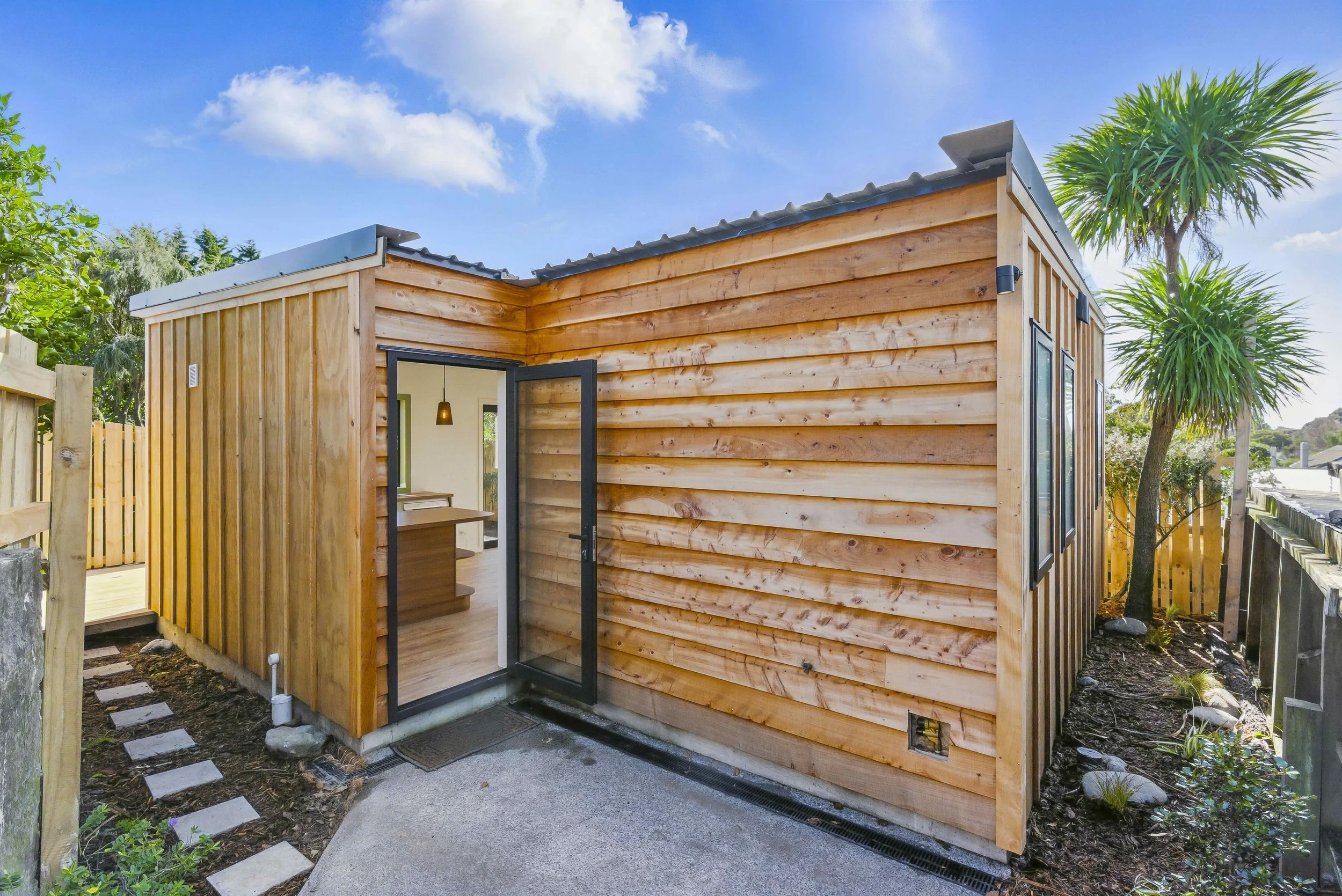
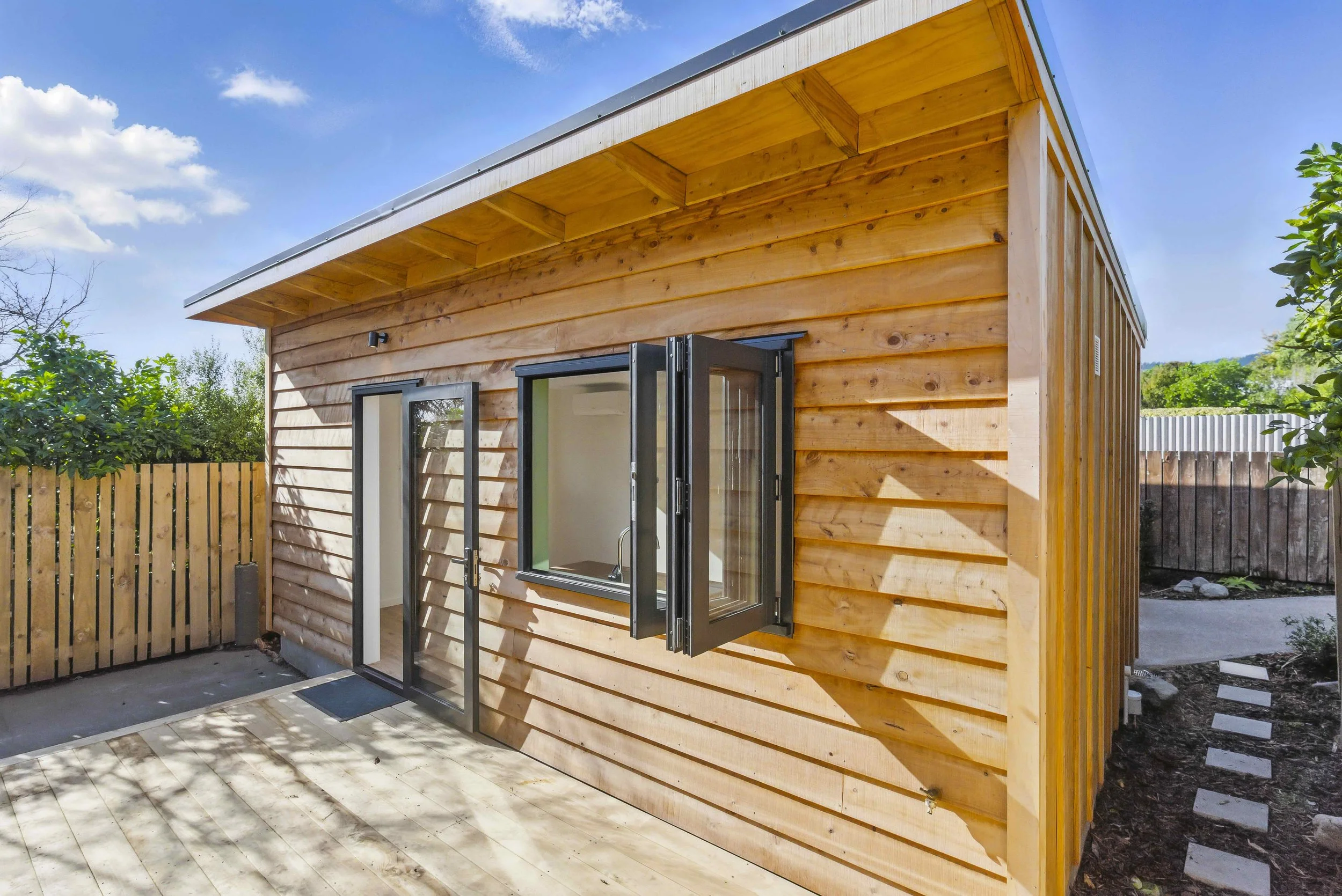
A self-sufficient tiny home built from scratch at the rear of a residential property in Raumati — from dense scrub to completed dwelling, all delivered in-house by Keen Builders.
The Brief
A Secondary Dwelling to Generate Rental Income
The client came to Keen Builders with a clear goal — build a discreet, self-contained tiny home at the rear of their existing Raumati Beach property to generate long-term secondary rental income as an AirBnb.
The project required full site creation, access development, earthworks, construction and finishing — with the majority of works delivered entirely in-house by Keen Builders. Low visual impact, privacy, and long-term durability as a rental asset were the key design priorities.
Key Objectives
- Self-contained independent dwelling
- Generate long-term AirBnb rental income
- Privacy and low visual impact from street
- Full site creation from scratch
- Long-term durability as a rental asset
- Harmony with the existing property
Phase 1
Site Creation & Earthworks
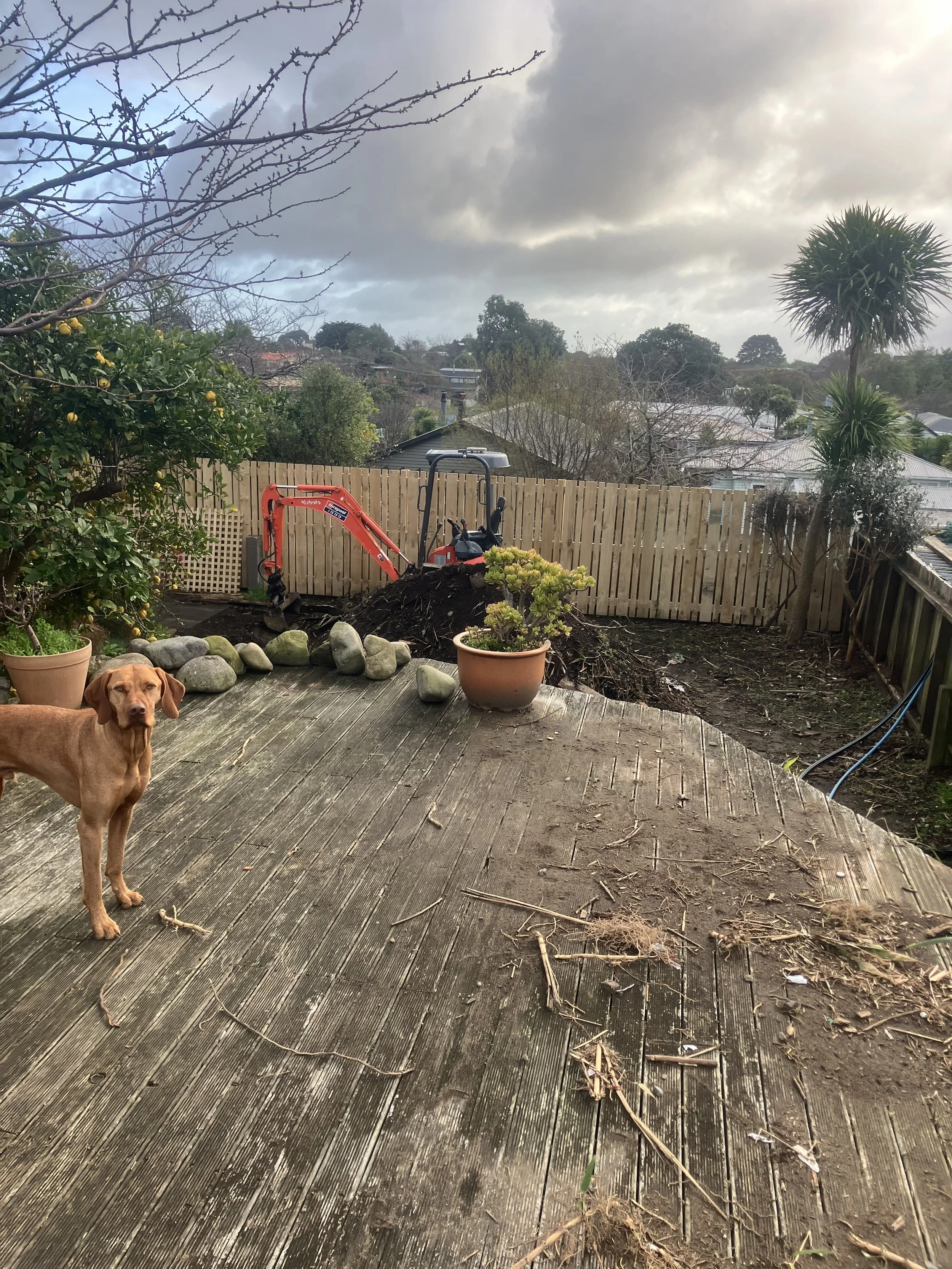
This was a highly constrained site with significant access limitations. There was no direct vehicle access to the rear of the property, dense overgrown vegetation throughout, tight working space and no existing formation for construction.
All site access had to be created from scratch. Every element of the earthworks was delivered in-house by Keen Builders — no subcontracting, no delays.
Vegetation Removal
Full clearing of dense, overgrown rear section — creating a workable site from scratch.
1.7-Tonne Digger
Excavation using a compact 1.7-tonne digger due to restricted site access — track dumping and wheelbarrow removal of spoil.
Phase 2
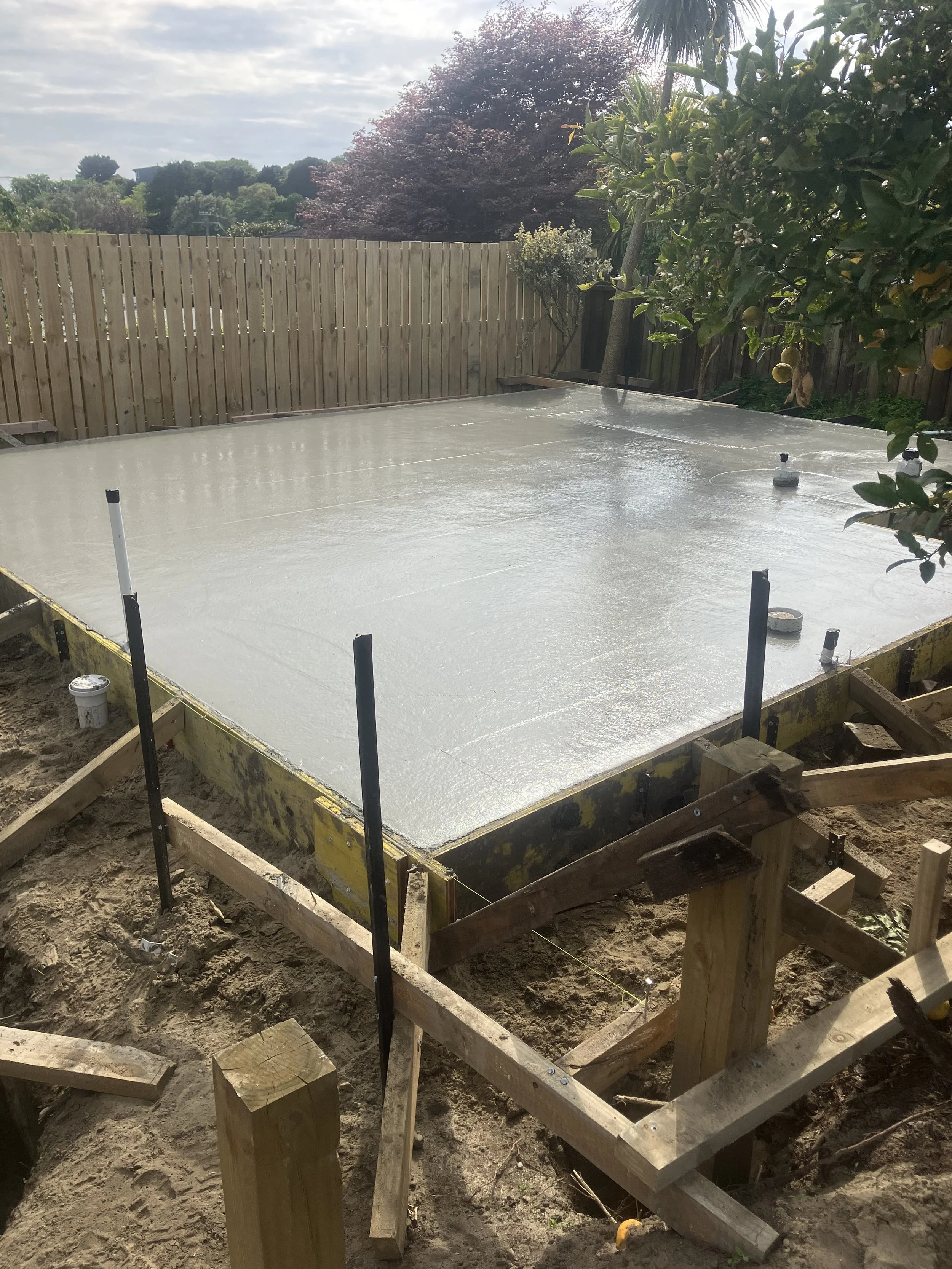
Rib Raft Foundation
Once the site was prepared, a full rib raft slab foundation was poured entirely in-house by Keen Builders. This type of foundation provides excellent load distribution on variable ground — ideal for a constrained rear-of-section site like this one.
Keen Builders handled the formwork, reinforcing and concrete pour directly — maintaining full quality control throughout and keeping the project on schedule.
Phase 3
Framing, Cladding & Structure
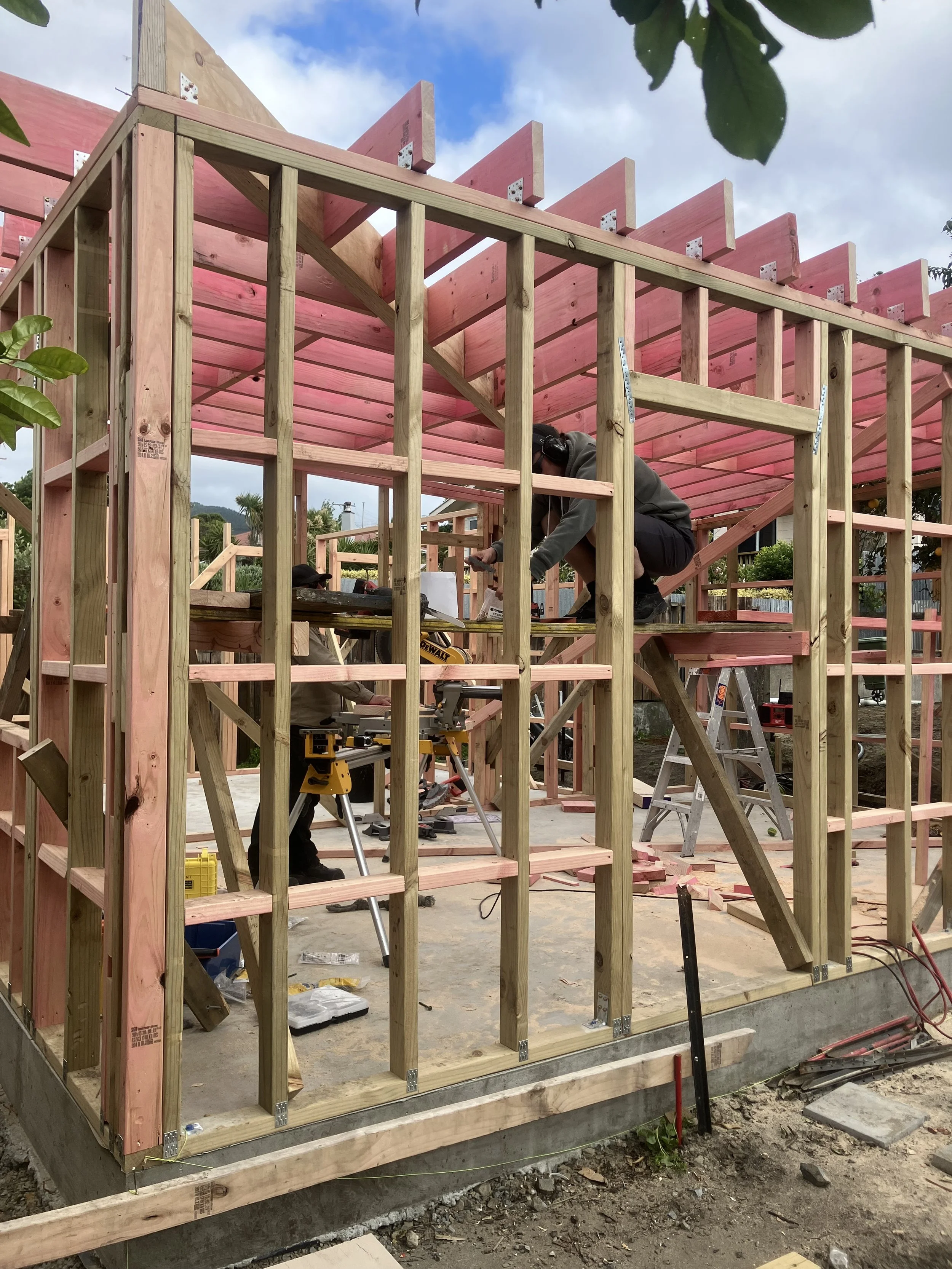
All framing was built on-site by Keen Builders. Construction sequencing was carefully staged due to limited site storage — materials had to be brought in progressively as work progressed.
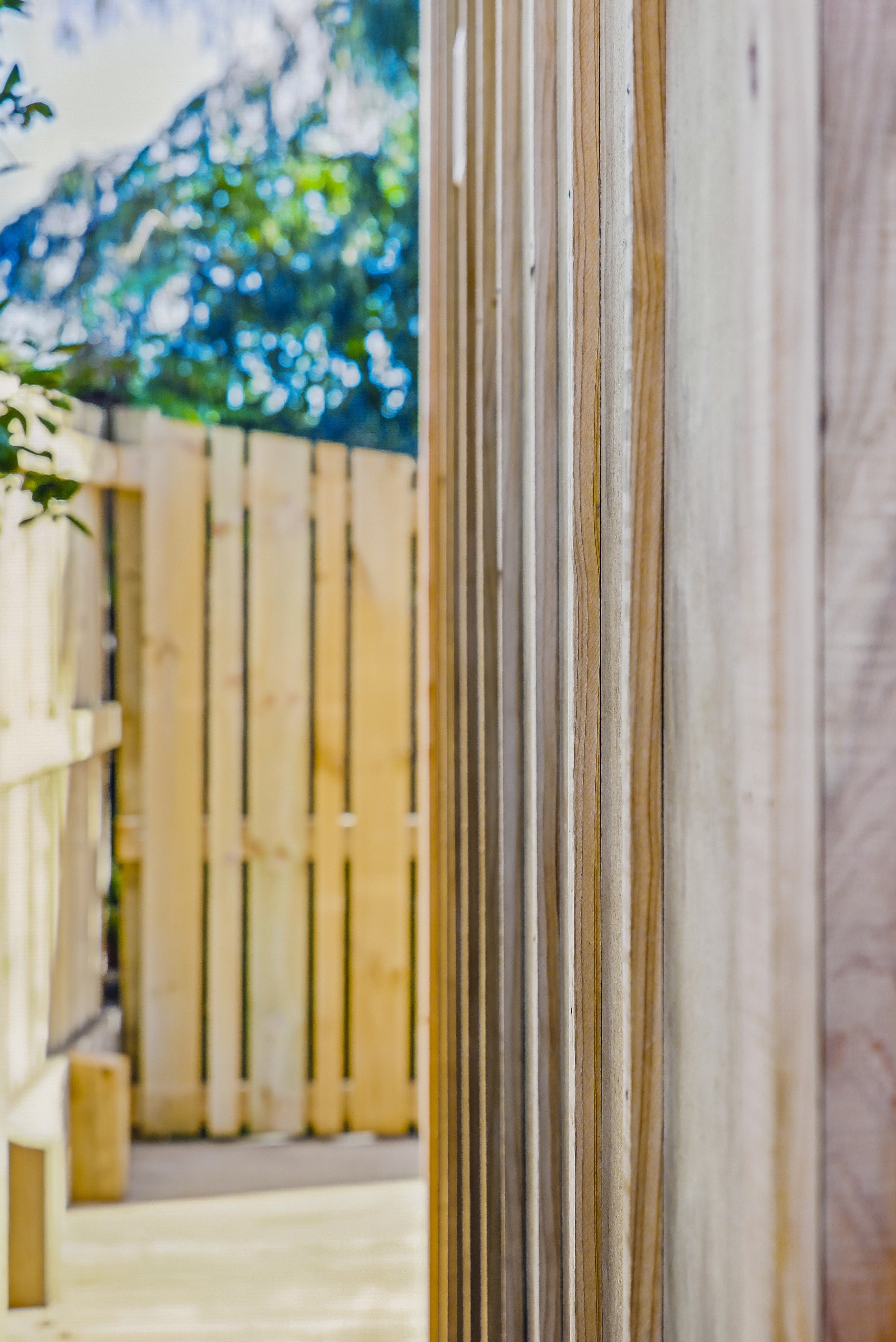
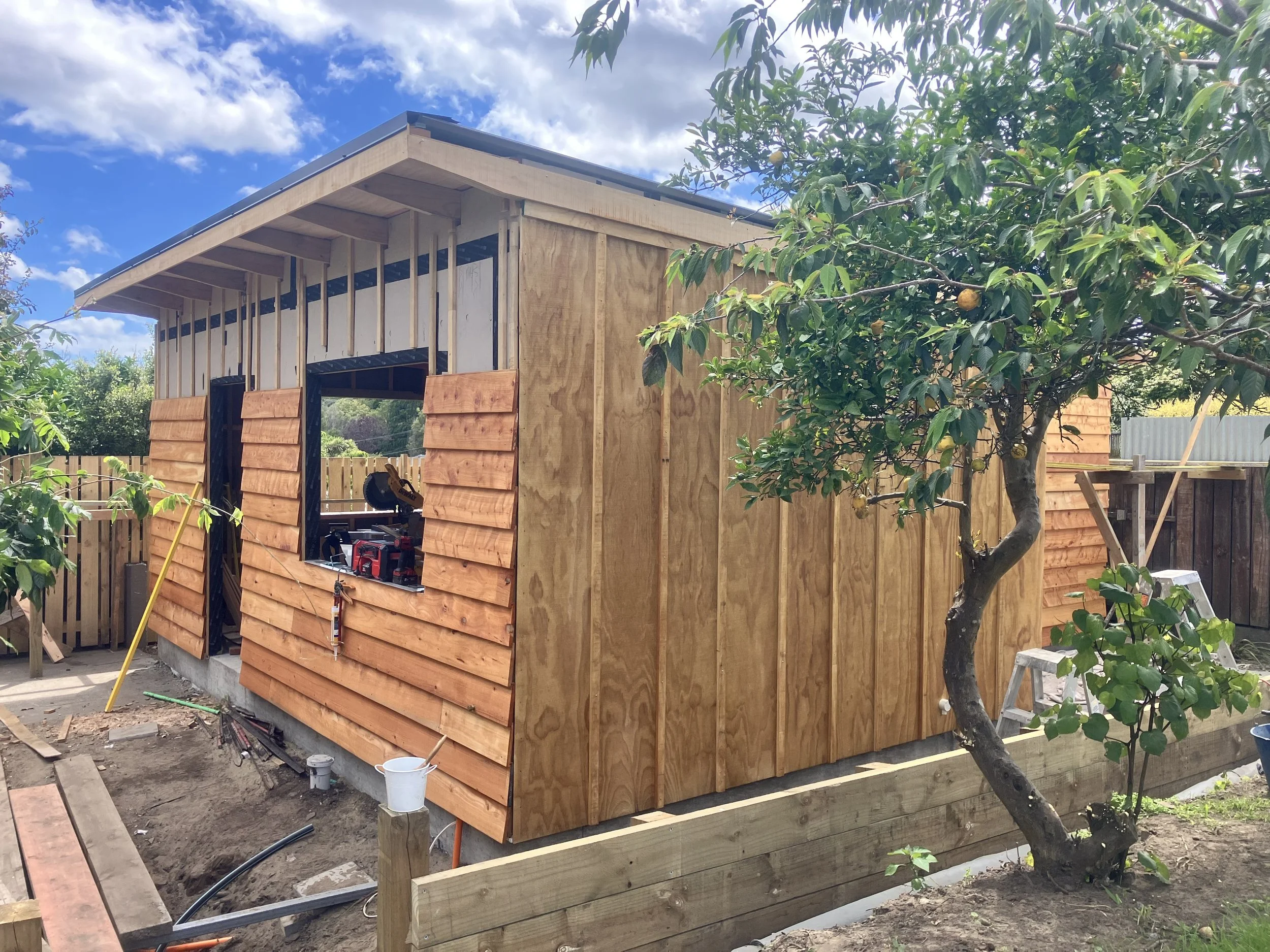
A small retaining wall was constructed to manage height changes between the two properties, followed by external cladding in weatherboard and cedar — chosen for durability and coastal resilience in the Raumati environment.
On-Site Framing
Full timber frame built on-site in a staged sequence to manage the constrained working space.
Weatherboard & Cedar Cladding
Exterior cladding selected for long-term durability and visual appeal in the coastal Raumati environment.
Design & Build Process
Collaborative Design From Day One
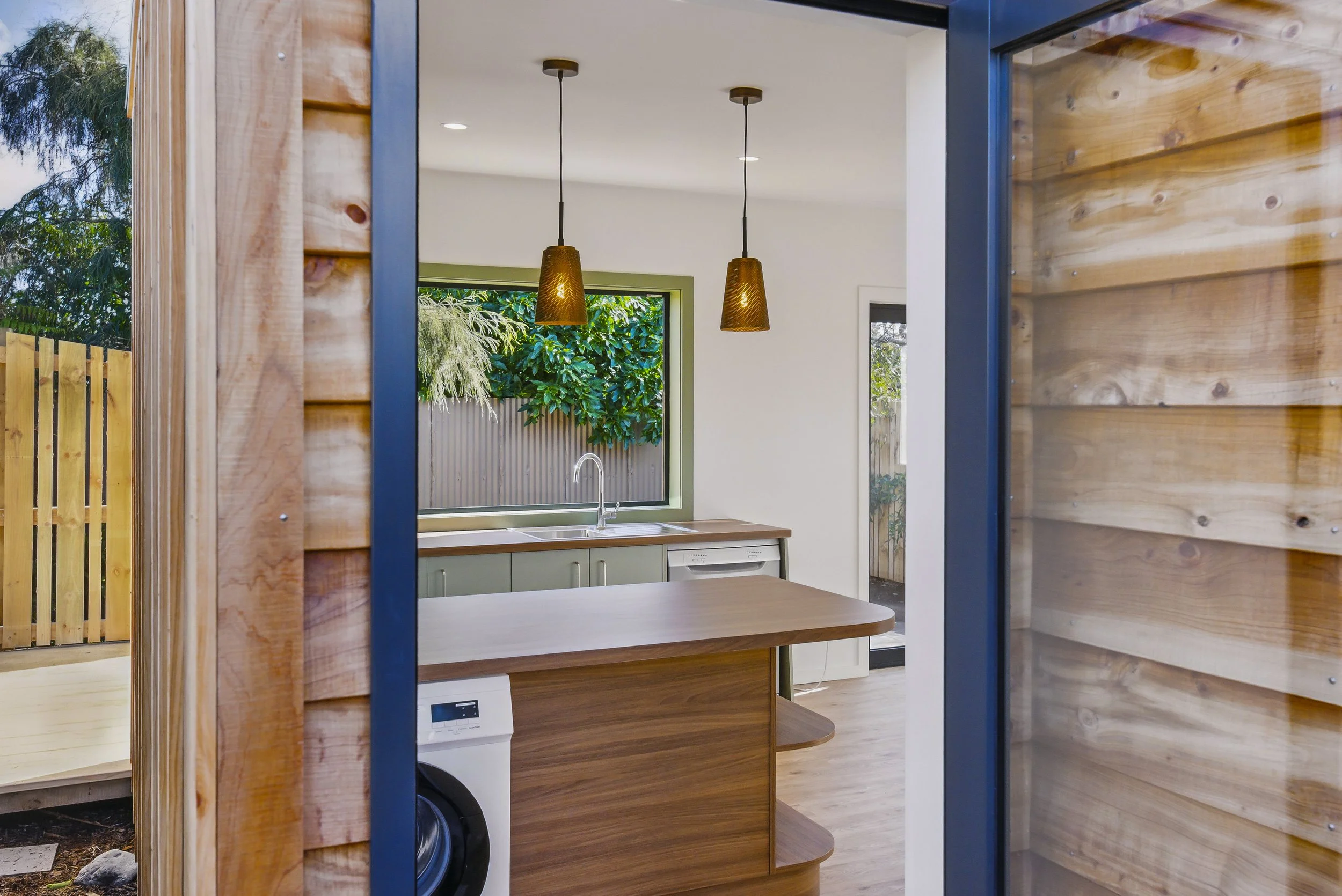
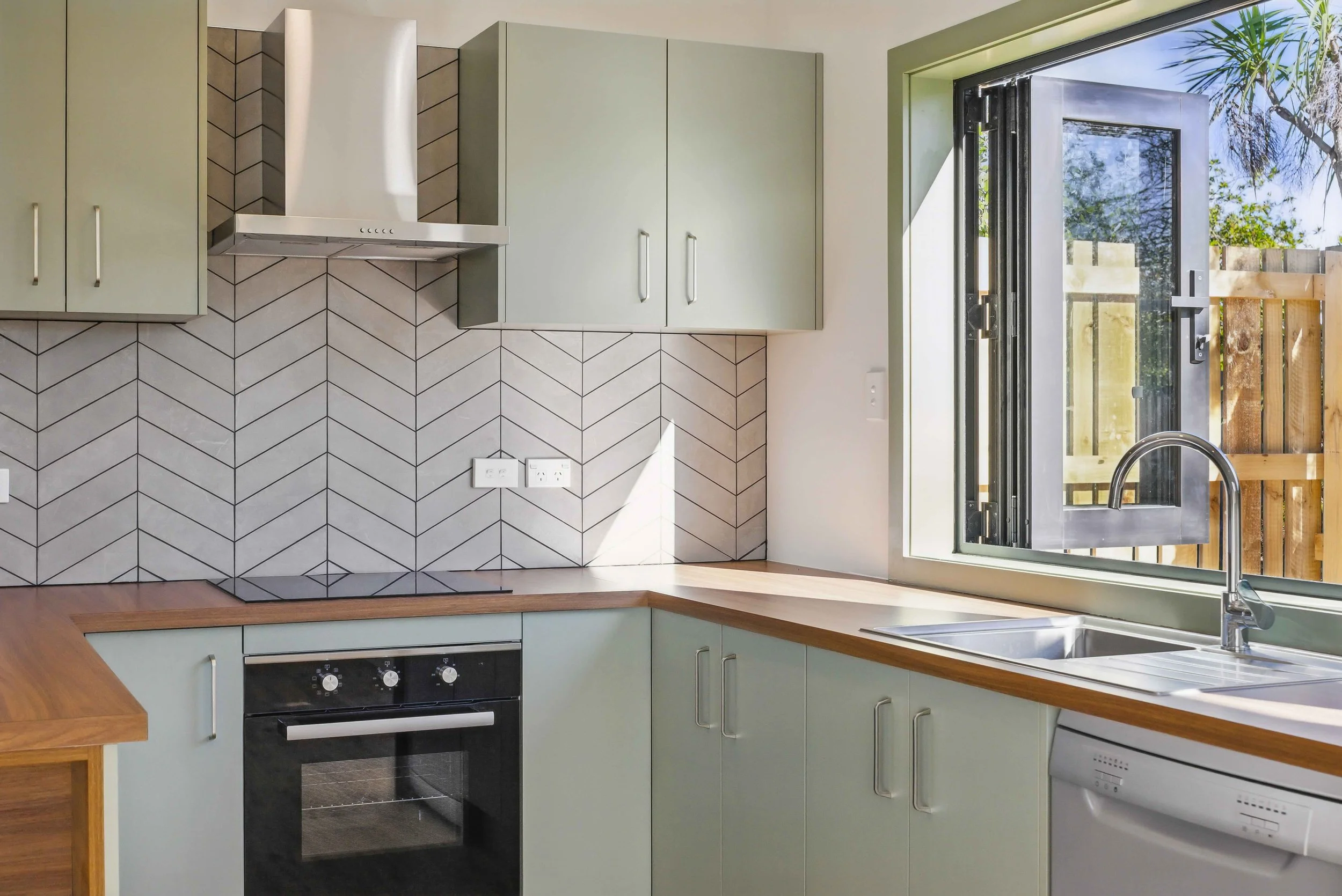
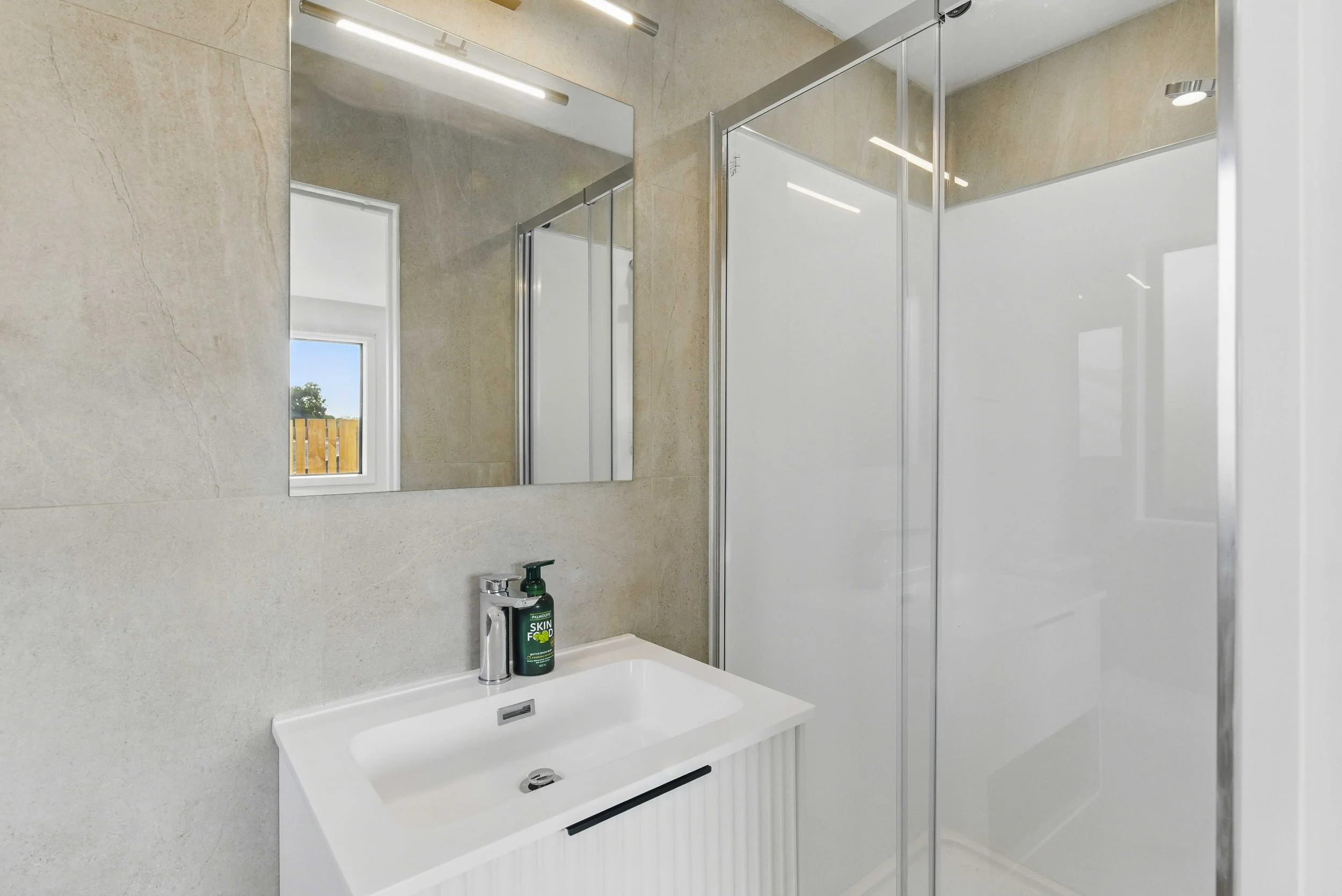
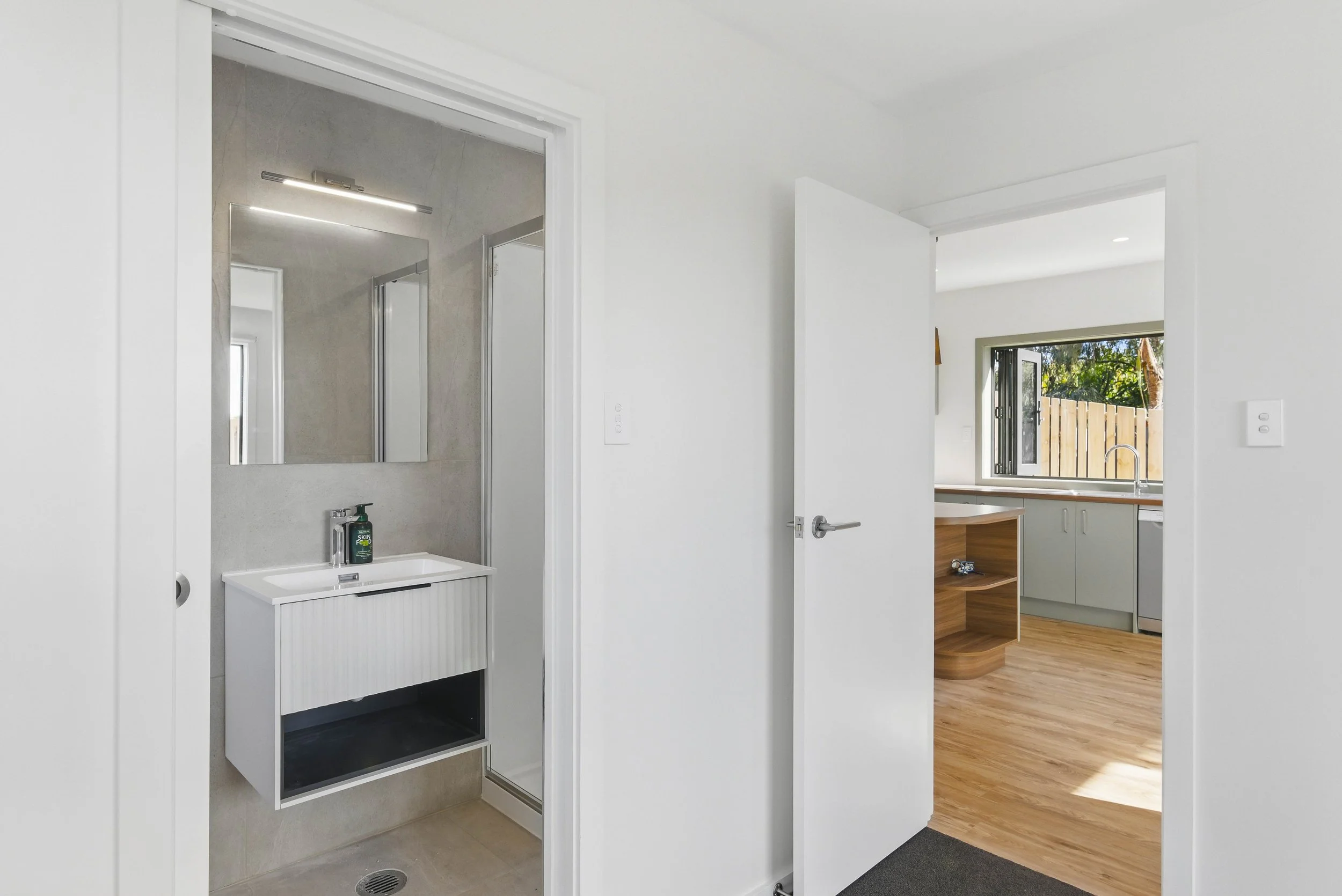
This project followed a true design-and-build delivery model. Keen Builders sat down with the client early in the process and worked collaboratively through every design and finishing decision — ensuring the tiny house functioned well, looked cohesive and delivered long-term durability as a rental asset.
Every element was intentionally selected to work as part of a unified design system — not isolated components bolted together.
Build Outcome
The Completed Build
Related Services
Interested in a Similar Project?
Have a Similar Project in Mind?
Free on-site consultation across the Kāpiti Coast and Wellington. We'd love to hear about your project.